
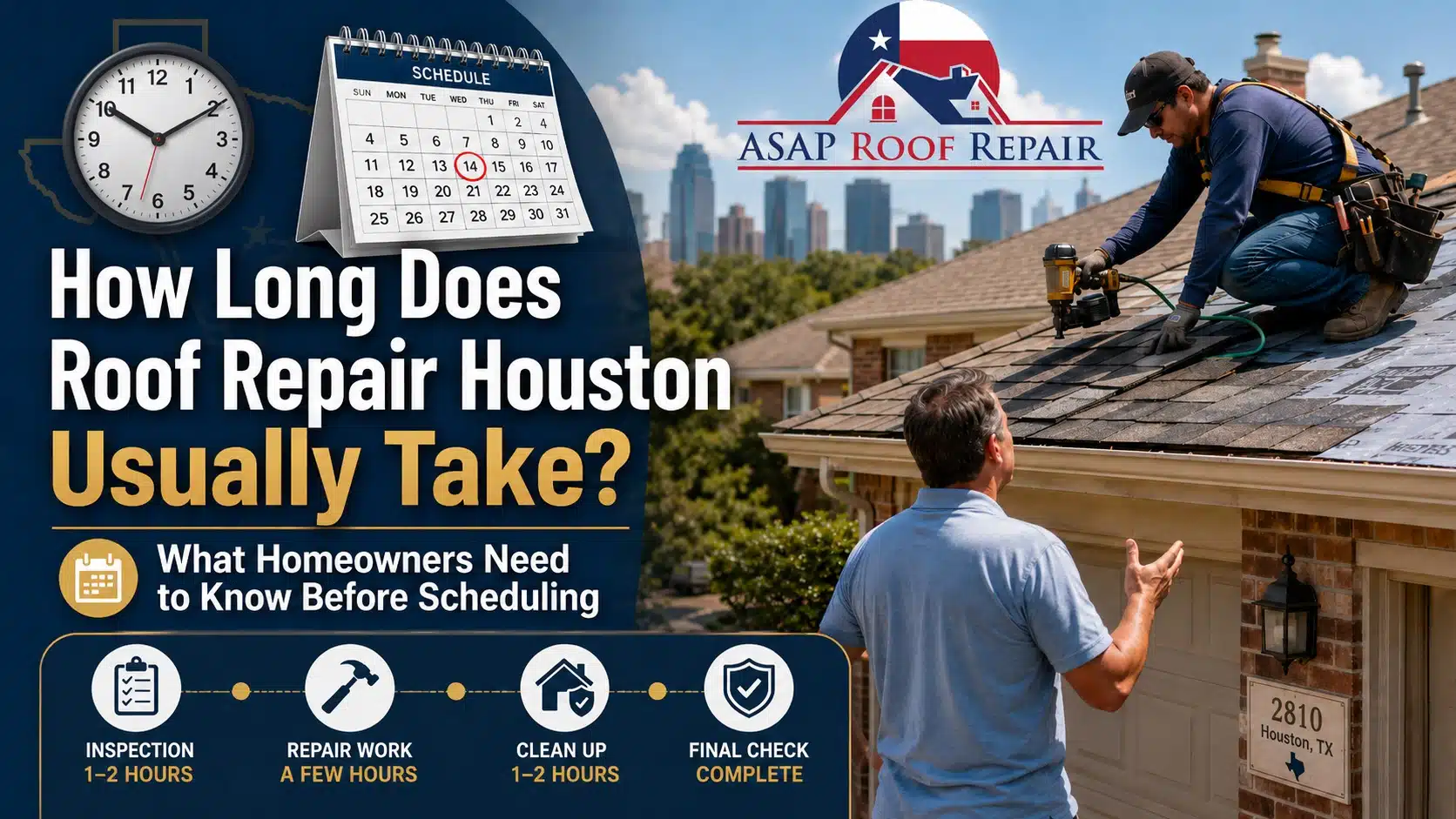
How Long Does Roof Repair Houston Usually Take? What Homeowners Need to Know Before Scheduling
Roof repair in Houston usually takes a few hours to over a week, depending on the damage’s extent and the materials used. Minor repairs, like leaks or shingle replacements, can be done in a day, while extensive damages need more time. It’s essential to recognize weather conditions too, as they can delay the work. Planning ahead and knowing what to expect can make the process smoother. There’s more you should know to guarantee timely repairs.
Key Takeaways
- Repair Duration: Minor repairs typically take 1 day, while moderate repairs may require 2-3 days, and major repairs can extend to a week or more.
- Damage Assessment: A professional inspection helps determine the scope of damage, which directly influences repair timeframes and material needs.
- Material Impact: Different roofing materials affect repair duration; asphalt shingles are quicker to fix, whereas tile and metal roofs require more time and specialized tools.
- Weather Considerations: Scheduling repairs during favorable weather conditions is crucial to avoid delays and ensure proper material handling.
- Early Preparation: Research and hire reliable contractors early, clarify expectations, and address urgent repairs to streamline the repair process.
Key Factors That Affect Roof Repair Time in Houston
When it comes to roof repair in Houston, several key factors can influence how long the process takes. First, the extent of the damage greatly affects repair time; minor leaks might only require a few hours, while extensive damage could take several days.
Next, the type of roofing material plays a vital role—shingles, tiles, or metal all have different repair procedures.
Additionally, the availability of a qualified roofing contractor in Houston can impact timelines. If you’re working with a highly-rated roofing company in Houston, they’ll likely have a busy schedule, which might delay your project.
Weather conditions are also a factor; unpredictable storms can postpone repairs.
Finally, local building codes and permit requirements might add to the timeline.
Average Timeframe for Common Roof Repairs
Understanding the average timeframe for common roof repairs can help you plan accordingly. Generally, minor repairs, like fixing leaks or replacing a few shingles, can be completed in a day.
If you need more extensive work, such as repairing flashing or patching a larger area, you might expect it to take two to three days.
For major issues, like a complete roof replacement, the process can take a week or more.
When you need an asap roof repair, communicating clearly with your contractor about your timeline is essential. Factors like weather conditions, material availability, and crew size can influence how long the job takes.
By knowing these timeframes, you can guarantee you’re prepared and minimize disruptions to your daily life.
Always prioritize quality workmanship over speed; rushing repairs can lead to further issues down the line.
How Extensive Is the Damage to Your Roof?
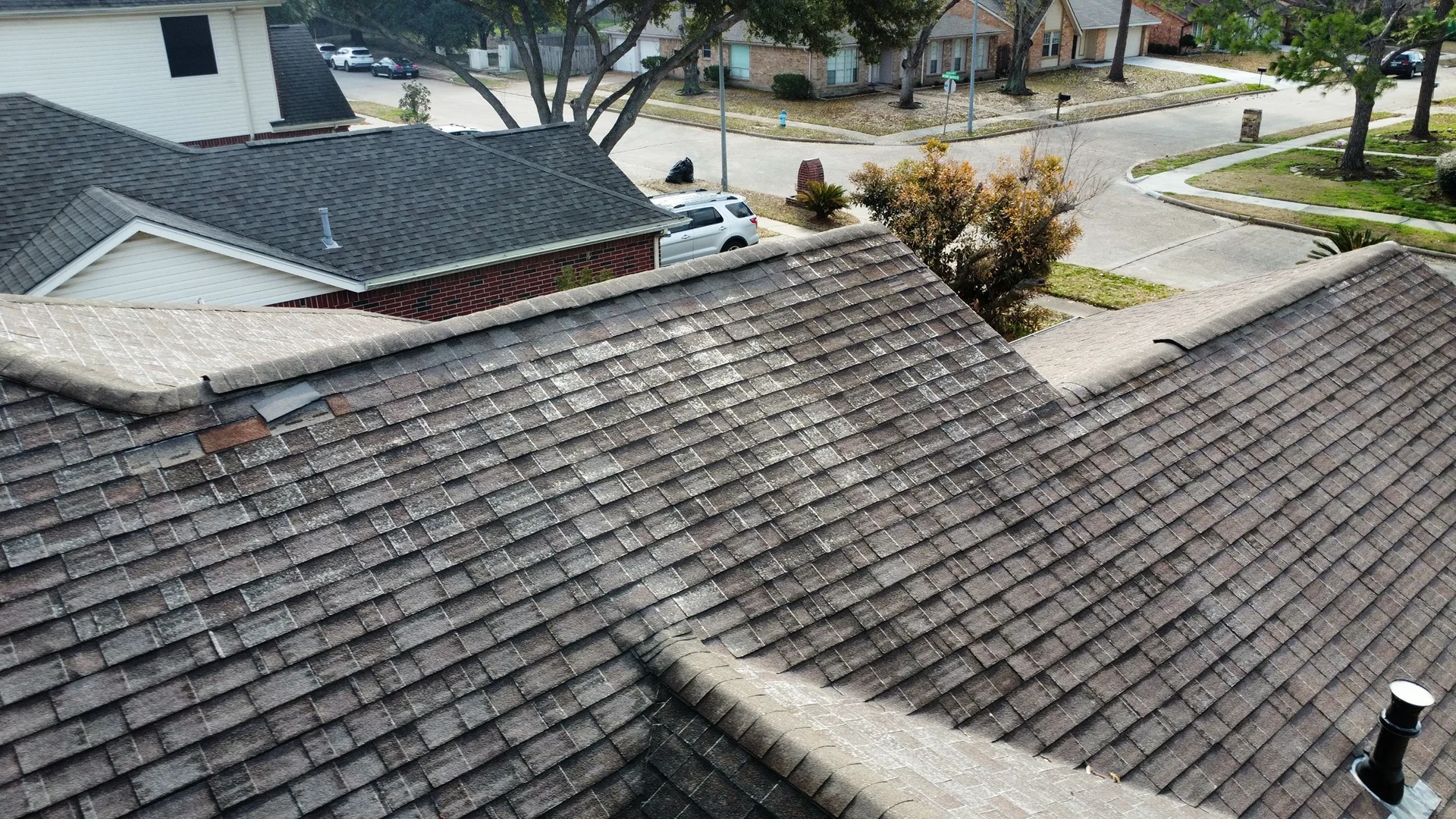
Before tackling any roof repair, it’s vital to assess how extensive the damage really is. Start by inspecting for missing shingles, leaks, or any sagging areas. If you notice water stains on your ceilings, it could indicate underlying issues that need immediate attention.
Ask yourself if the damage is localized or widespread—this distinction can significantly impact your repair timeline.
Consider whether the damage is cosmetic or structural. Cosmetic repairs might be quicker, while structural issues often require more extensive work and time. It’s also essential to evaluate whether the damage is due to recent weather events or a result of long-term wear and tear.
Document your findings and consult a professional to get an accurate assessment. Understanding the severity of the damage helps you set realistic expectations for the timeline and necessary repairs.
Your proactive approach can save you time and money in the long run.
Which Roofing Materials Impact Repair Duration?
The type of roofing materials you choose can markedly influence how long repairs take. For instance, asphalt shingles are generally quick to fix since they’re lightweight and easy to handle.
If you have a metal roof, repairs can be more complex, often requiring specialized tools and techniques, extending the timeline.
Tile roofs, while aesthetically pleasing, can be time-consuming to repair due to the need for careful handling and precise placement.
If your roof features a flat design with materials like EPDM or TPO, repairs may also take longer because of the necessity for proper sealing and adhesion processes.
Additionally, if your roofing material is rare or custom-made, sourcing replacements could delay repairs considerably.
Understanding these nuances ensures you set realistic expectations and helps you plan accordingly for any necessary repairs.
Always consult with a professional to gauge the specific impact of your roofing material on repair duration.
How Weather Conditions Impact Roof Repairs
While you might be enthusiastic to get your roof repaired, weather conditions can considerably impact the process. Rain, wind, and extreme temperatures can delay repairs, affecting both timing and quality. Understanding these factors can help you plan better.
- Rain: Wet conditions can make roofing materials slippery and hazardous, often halting work entirely.
- Extreme Heat: High temperatures can affect materials, causing them to warp or become difficult to handle.
- Wind: Strong gusts can pose safety risks, making it hard for workers to stay on the roof.
- Cold Weather: Low temperatures can prevent adhesives from setting properly, compromising the repair’s effectiveness.
Planning your repair during ideal weather conditions can’t only expedite the process but also enhance the durability of your roof. Always consult with your contractor to ensure the best timing for your specific situation.
Why Choosing the Right Contractor Matters for Timeliness
Choosing the right contractor can considerably influence the timeliness of your roof repair. A skilled contractor understands the intricacies of roofing projects and can accurately assess the scope of work. They’ll provide a realistic timeline, ensuring you know what to expect from start to finish.
Experienced contractors have established relationships with suppliers, which can expedite material deliveries. This is essential, as delays in materials can stall your project. Additionally, a reputable contractor will have a well-trained team that works efficiently, minimizing downtime.
On the other hand, an inexperienced or poorly reviewed contractor may underestimate the timeline, leading to unexpected delays. They might also lack the necessary tools or expertise to navigate complications, further dragging out the process.
Expectations During the Roof Repair Process
As you prepare for roof repair, understanding what to expect can ease anxiety and help you feel more in control. Knowing the process can make the experience smoother and less intimidating. Here are some key expectations during the repair:
- Duration: Repairs can take a few hours to several days, depending on the extent of the damage.
- Noise: Expect loud sounds from tools and materials; this is a normal part of the process.
- Safety Precautions: Contractors will implement safety measures, so don’t be alarmed if you see scaffolding or protective gear.
- Communication: Your contractor should keep you informed about progress and any unforeseen issues.
How to Prepare Your Home for Roof Repairs
Preparing your home for roof repairs is essential for a smooth process, especially since a little planning can minimize disruptions. Start by moving vehicles away from the work area; this not only protects your property but also gives contractors easy access. Clear your yard of any debris, furniture, or equipment that might obstruct their work.
Inside, secure any fragile items and consider covering furniture to prevent dust and debris from settling.
Notify neighbors about the upcoming repairs; this fosters goodwill and helps them prepare for potential noise and activity. If you have pets, arrange for them to stay in a quiet area or with a friend during the work.
Finally, confirm that your contractor has access to electricity and water, as these may be needed for specific tools or processes. By taking these steps, you’ll create a conducive environment for effective roof repairs.
How to Tell If You Need Urgent Roof Repairs?
After getting your home ready for roof repairs, it’s important to know when those repairs can’t wait. Certain signs indicate that you need urgent attention. Ignoring these can lead to more extensive damage and higher costs.
Look out for these critical indicators:
- Water Stains on Ceilings: If you notice discoloration, it often means a leak.
- Missing or Damaged Shingles: A few missing shingles can lead to significant issues.
- Sagging Roof Deck: A drooping roof indicates structural problems that need immediate assessment.
- Visible Mold or Mildew: This often signals prolonged moisture, which can compromise your home’s integrity.
If you observe any of these signs, don’t hesitate to contact a roofing professional. Addressing these issues promptly can save you from more costly repairs in the future.
How to Avoid Delays in Your Roof Repair?
To guarantee your roof repairs start on time, it’s crucial to stay proactive and organized. Begin by researching reliable contractors well in advance. Don’t wait until the last minute; scheduling consultations early allows you to evaluate their expertise and availability.
Next, make sure you have all necessary documentation ready, like permits or insurance details. This preparation eliminates potential hiccups that could stall your project.
Communicate clearly with your chosen contractor about your expectations and timelines, setting realistic goals together.
Additionally, anticipate weather-related delays by checking forecasts and planning your project during a suitable season. If you have any repairs that need addressing before the main work begins, take care of those promptly to avoid further complications.
Lastly, maintain open lines of communication throughout the process. This transparency can help address any issues as they arise, ensuring your roof repairs proceed smoothly and efficiently.
Frequently Asked Questions
How Can I Find a Reliable Roofing Contractor in Houston?
To find a reliable roofing contractor in Houston, start by asking friends or neighbors for recommendations. You’ll often discover hidden gems this way.
Check online reviews and ratings, too; they can reveal a lot about a contractor’s reputation.
Don’t forget to verify licenses and insurance.
Once you’ve narrowed it down, get multiple quotes.
Talking directly to contractors can help you gauge their professionalism and expertise, ensuring you make the right choice for your roof.
What Should I Do if My Roof Leaks During Repairs?
If your roof leaks during repairs, act quickly. First, contain the leak by placing buckets or towels to catch dripping water.
Next, notify your contractor immediately; they should address the issue promptly.
If the leak worsens, consider temporary measures like tarps to prevent further damage.
Document any leaks and damage for insurance purposes.
Finally, stay in communication with your contractor to guarantee a swift resolution and avoid additional complications.
Will My Homeowners Insurance Cover Roof Repair Costs?
You might find it surprising, but your homeowners insurance often does cover roof repair costs, especially if the damage results from a covered peril like a storm. However, it’s essential to review your specific policy since coverage can vary.
Make sure to document the damage and contact your insurer promptly. They’ll guide you through the claims process, ensuring you understand what’s covered and what isn’t, so you can navigate the situation confidently.
Can I Stay in My Home During Roof Repairs?
Yes, you can usually stay in your home during roof repairs, but it depends on the extent of the work. Minor repairs often allow for normal living conditions.
However, extensive work might create noise or safety hazards, making it uncomfortable. It’s best to discuss your specific situation with the contractor.
They’ll inform you about any potential disruptions and help you decide if you should stay or find temporary accommodations.
How Can I Maintain My Roof After Repairs Are Completed?
Once your roof repairs are complete, you’ll want to make certain they last. Regularly inspect for loose shingles and debris, and keep gutters clear to prevent water buildup.
You can also schedule professional inspections annually—these can uncover hidden issues before they escalate.
But here’s the kicker: seasonal maintenance can save you from costly repairs down the line. So, make it a habit, and your roof will thank you by enduring through the years.